


Over the past ten years, there has been a subtle shift in Argentina's furniture sector. In order to satisfy the need for fashionable, reasonably priced items without compromising quality, retailers, hospitality organizations, and interior designers in Buenos Aires, Córdoba, and beyond are increasingly turning to foreign manufacture. For Argentine consumers, knowing how the import process actually operates might make the difference between a successful, profitable enterprise and a logistical nightmare. China continues to be the world's greatest supplier of furniture manufacture.
This book covers every aspect of importing furniture from China to Argentina, from sourcing to final delivery, for both novice and seasoned importers.
The Reasons Argentine Purchasers Turn to China
Domestic furniture manufacturing in Argentina typically results in a restricted range of styles and finishes as well as greater labor and material expenses. On the other hand, Chinese manufacturers provide a vast array of styles, materials, and price points due to their well-established supply chains and decades of manufacturing experience. Customers can purchase anything from elegant upholstered sofas and patio suites to solid wood dining sets, all of which are usually far less expensive than local options.
This pricing and variety combination is hard to find elsewhere for companies expanding their inventory or designers looking for unique products.
Recognizing Argentina's Import Needs
It's crucial to comprehend the regulatory environment before placing an order According to Argentina's customs office, importers must register with the appropriate tax and trade authorities before goods can enter the nation legally Depending on the type of material—wood, metal, upholstered fabric, or a combination—furniture exports are usually subject to multiple tariff classes.
Important elements include import licenses, manually filed import declarations, and compliance with Mercosur trade rules Early on in the process, speak with an experienced customs broker who can help you avoid costly port delays, explain documentation requirements, and estimate applicable taxes.
Shipping Procedures and Schedules
Ocean freight is still the best option for shipping due to the size and weight of most furniture. Although less-than-container-load transportation is suitable for smaller purchases, consolidation with other goods may cause travel times to increase. Full container loads are ideal for large orders.
Depending on the shipping route and any transshipment pauses, the average transit time from Chinese ports to Argentine terminals like Buenos Aires is between 30 and 45 days. Air freight is accessible, but because of volume and expense issues, it is rarely feasible for furniture and is often saved for smaller, more essential commodities.
The wait time for production, which can vary from a few weeks for basic catalog products to several months for custom orders, particularly during busy manufacturing seasons, should also be taken into consideration by buyers.
Packaging and quality considerations
Furniture can be harmed by lengthy sea trips, so it's important to consider how things are packaged before they leave the factory Products can be kept undamaged throughout transportation with the help of things like stronger cartons, corner guards, moisture barriers, and appropriate palletizing Asking suppliers for precise packaging specifications up front and, if feasible, having a third-party inspector verify everything before the goods are packaged for delivery are also worthwhile.
Material quality checks are equally important. Hardware should be corrosion-resistant, wood should be treated appropriately to tolerate variations in humidity, and coatings should satisfy the durability requirements expected in Argentine climates, which range from humid subtropical in the north to more moderate conditions further south.
Calculating True Landed Cost
Focusing only on the manufacturer's quoted unit pricing is a common error made by new importers. Freight expenses, insurance, import tariffs, value-added tax, port handling fees, and domestic transportation to the destination are all included in the actual cost of importing furniture. A buyer may only properly evaluate profitability and establish competitive retail price by computing the total landed cost.
This calculation will be much simpler if you work with a freight forwarder who knows the trade route between China and Argentina. Based on current shipping costs and customs laws, they are able to offer trustworthy estimations.
Summary
For companies seeking to increase their product options and profit margins, shipping furniture from China to Argentina is a tried-and-true approach However, success requires careful planning, dependable partners, and a firm understanding of customs laws More smooth results and higher long-term profits are typically achieved by investing time up front in cost estimation, logistical planning, and supplier screening.
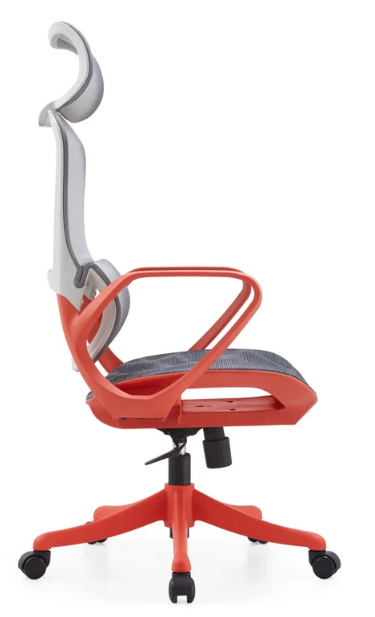
Foreign clients can investigate office chairs, desks, gaming seats, and other furniture options at JOHOO Furniture while working with a company that has experience with export trading and international orders.

Leave a comment
This site is protected by hCaptcha and the hCaptcha Privacy Policy and Terms of Service apply.